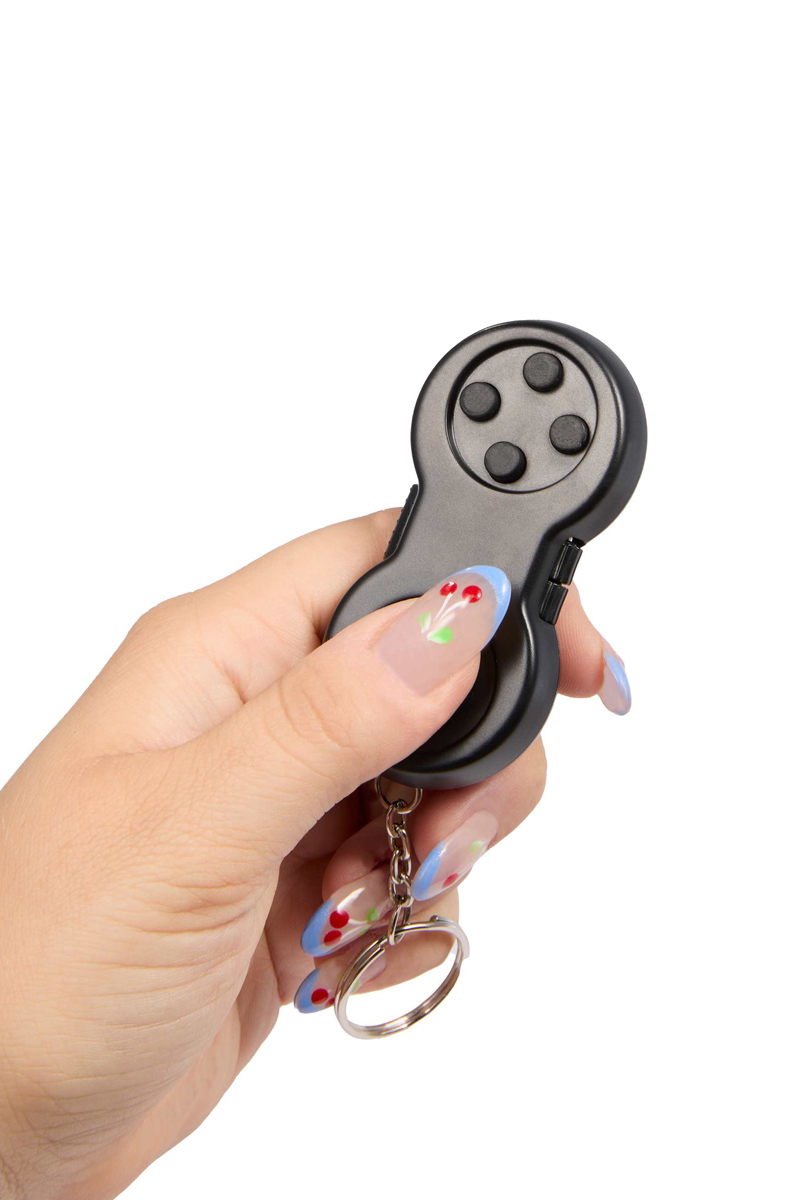
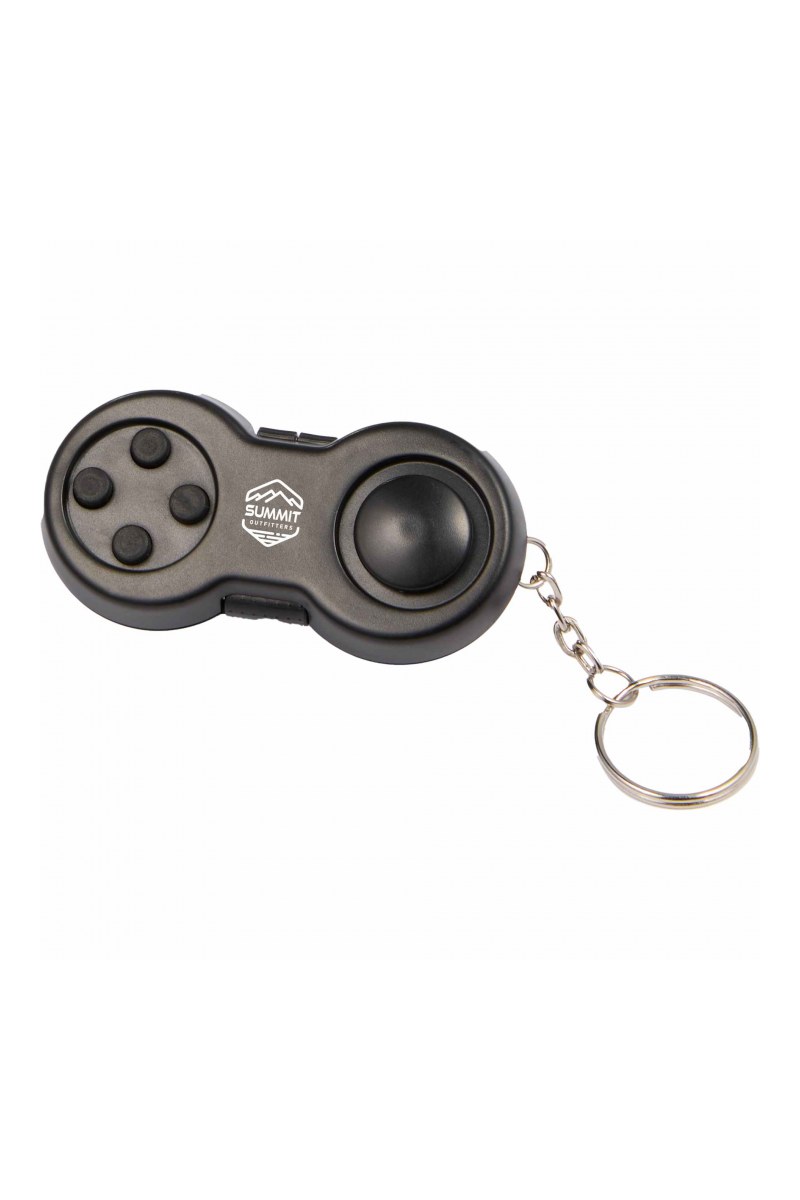
When you're sponsoring an event or working a booth and need something people will actually pocket instead of toss, this works because it doesn't scream "free swag." Marketing teams use these at gaming expos, tech conferences, and product launches where the audience skews younger or fidget-friendly. The keyring loop means it travels with them after the event, and the six built-in mechanisms give it enough novelty that attendees stop by your table to try one. It reads as a useful object, not a throwaway promo item, which matters when you're competing for attention in a hall full of branded pens.
When a long-term client renews or a key account refers you new business, send this instead of another email. It's useful enough that it ends up on their desk or clipped to a work bag, which means your logo stays in front of them between check-ins. The six fidget mechanisms make it more likely they'll actually keep it around than a standard stress ball, and the controller design reads as thoughtful for anyone who grew up gaming or has kids who do.
When someone's stuck on hold with benefits providers, sitting through back-to-back interviews, or needs a mental break between onboarding sessions, this gives them six different ways to redirect stress without leaving their desk. HR teams use these in new hire welcome kits and wellness program swag bags because the keyring clip means people actually keep it on hand instead of leaving it in a drawer. It works because it doesn't look like another branded stress ball — it reads as a tool, not a tchotchke.
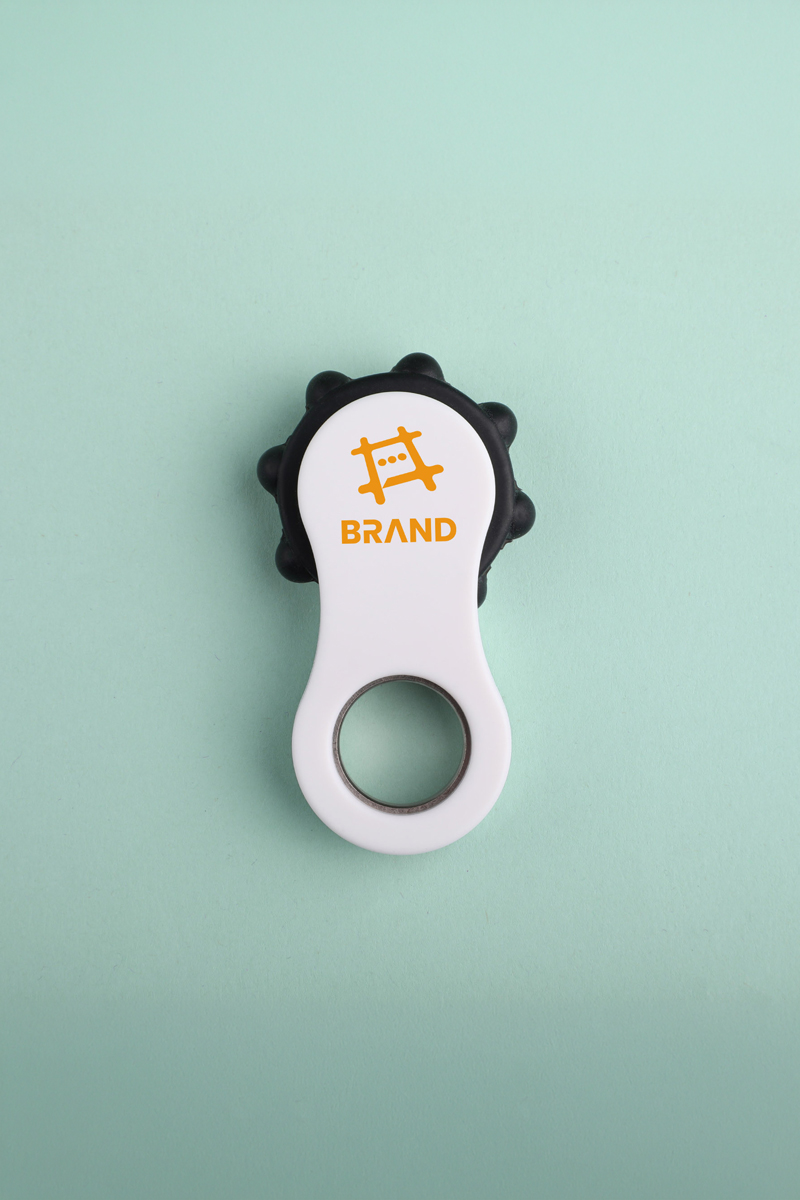 Whirly Fidget SpinnerAs low as $2.35
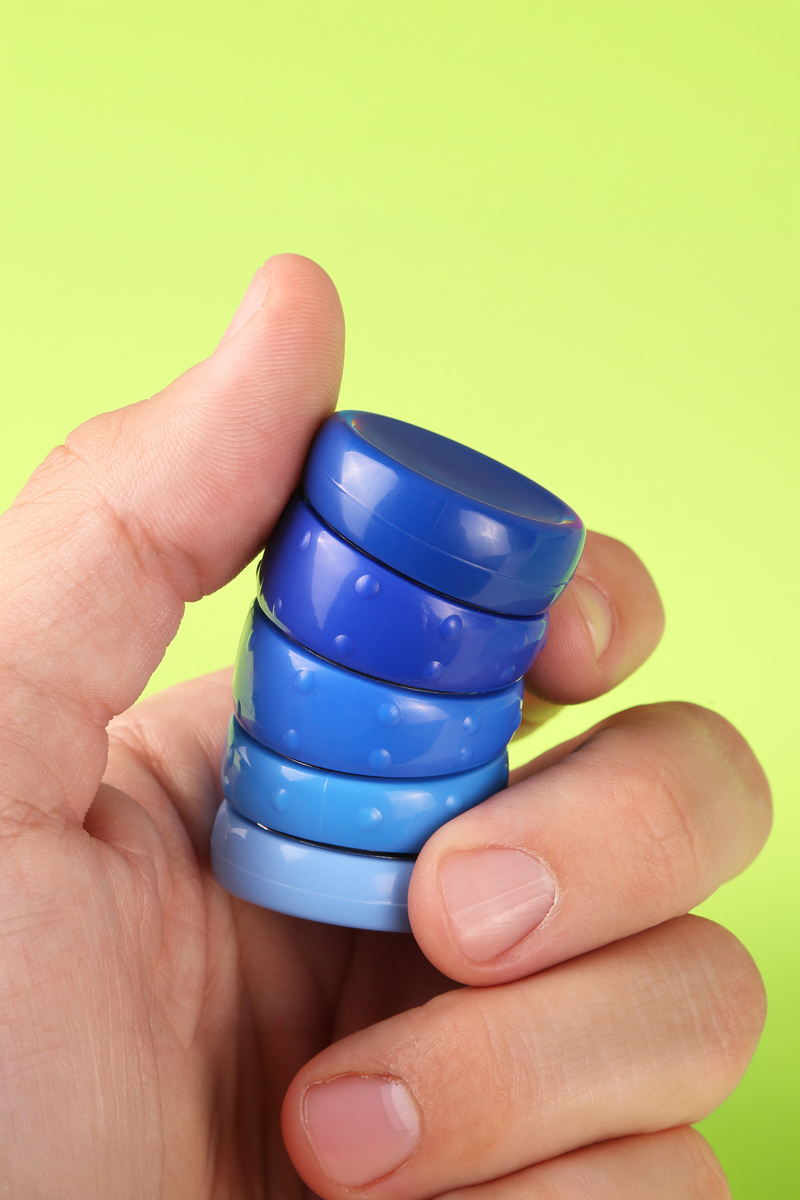 Torsion Fidget ToyAs low as $3.25
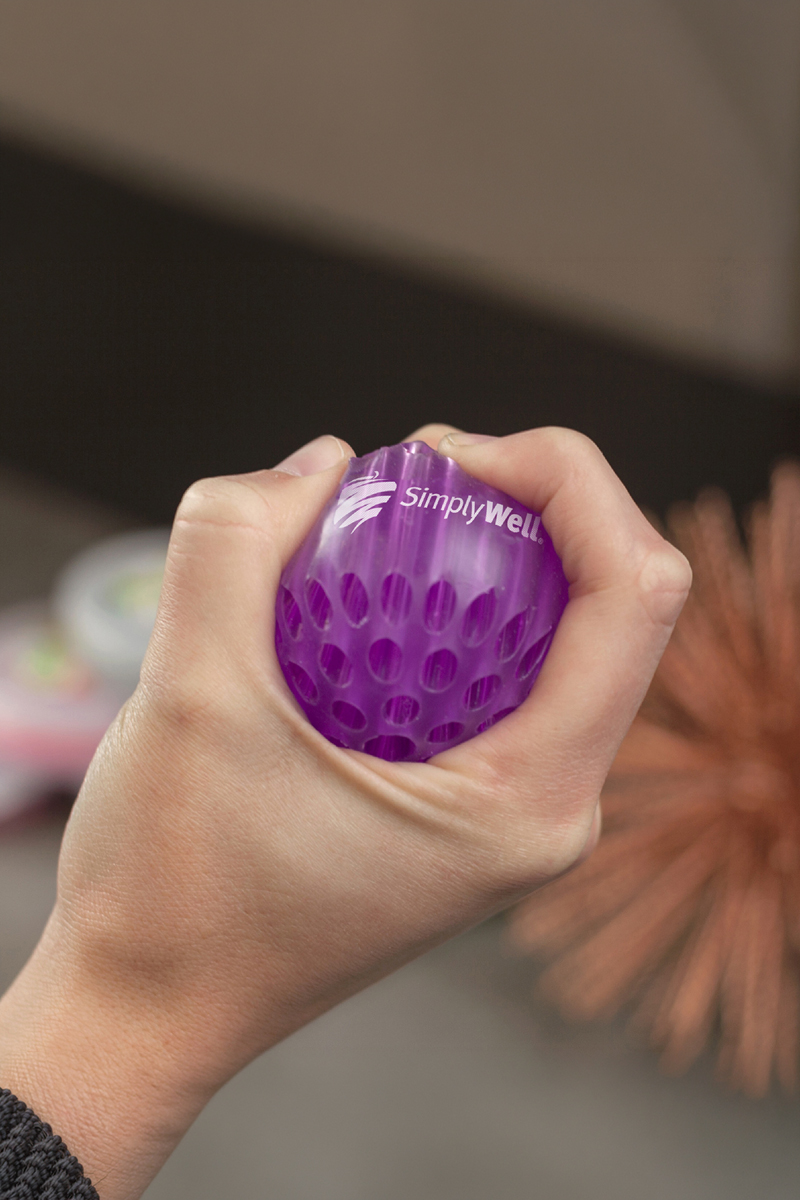 Jelly SmackerAs low as $3.55
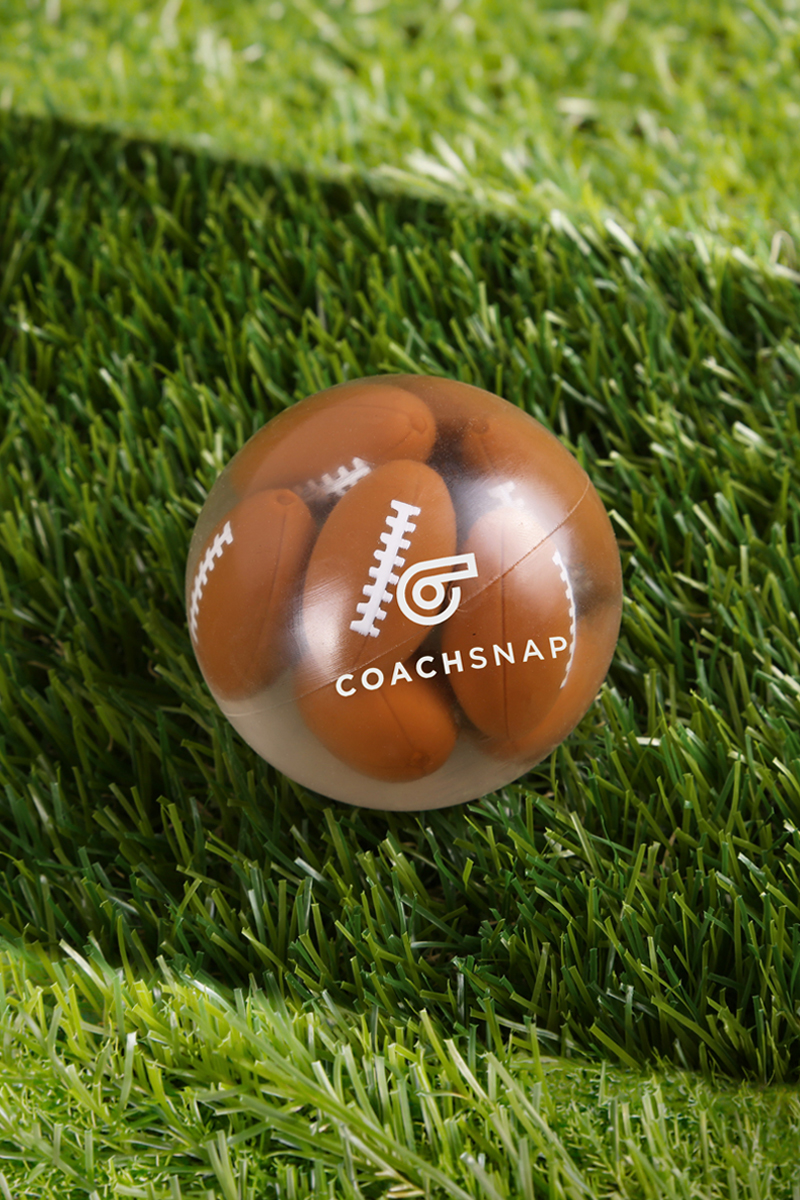 Football Stress BallAs low as $4.65
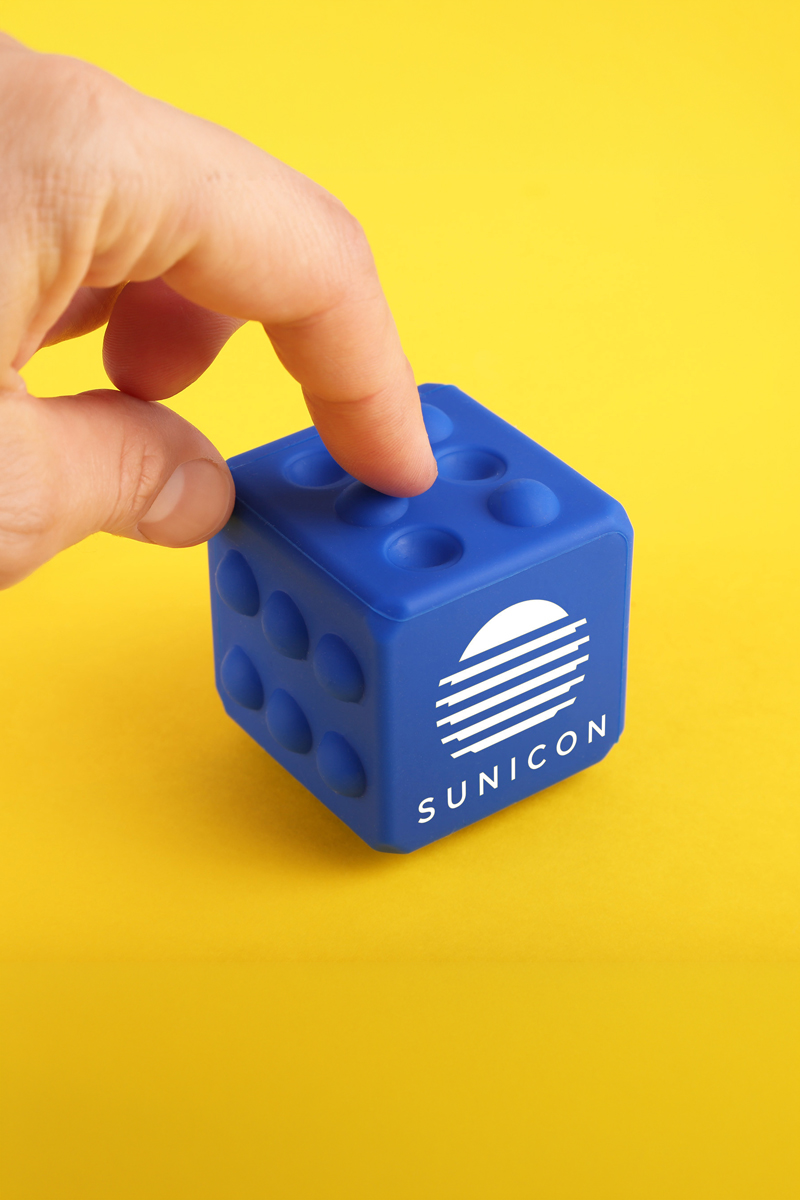 Pop-It Stress Reliever CubeAs low as $1.99
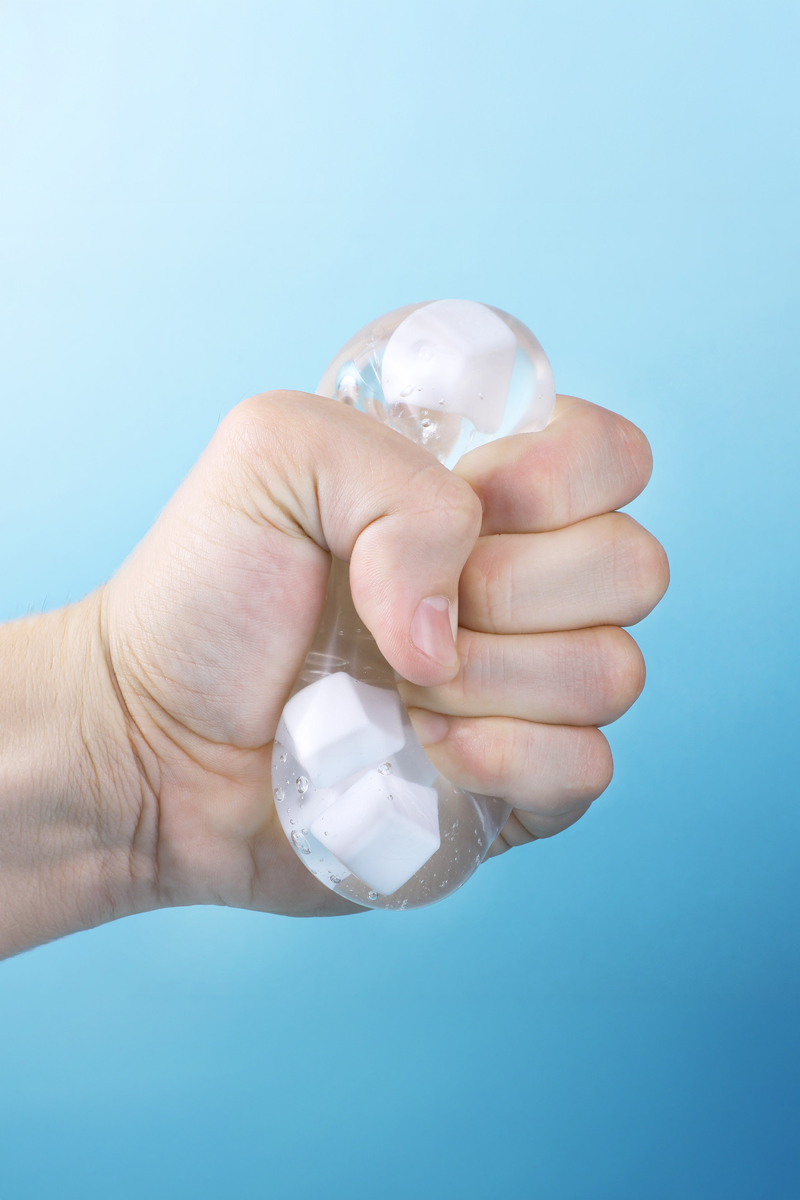 Ice Breaker Stress BallAs low as $4.29
 9.5x6.75 Soft Pedova NotebookAs low as $12.18
 Comfort Stylus PenAs low as $1.91
 Bishop PenAs low as $3.50
 10x7 Spiral NotebookAs low as $8.28
 Richardson Performance LiteAs low as $19.75
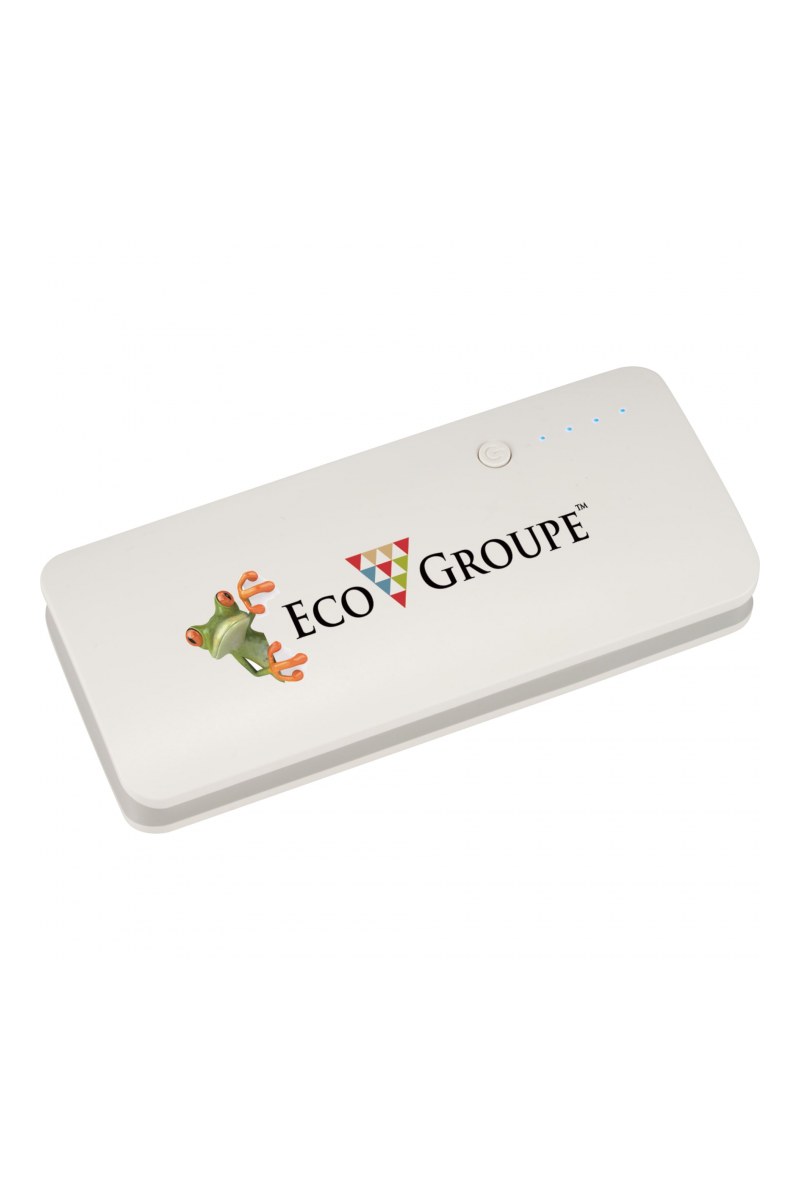 10K mAh Spare ChargerAs low as $30.98
 District 4.3 oz Cotton TeeAs low as $9.73
 8oz Recycled Cotton ToteAs low as $8.98